More than half of US employees are showing at least one sign of quiet cracking, and one in five show it frequently, according to recent workforce data. Performance holds steady while commitment quietly erodes underneath it. The metrics stay green. The engagement is already gone.
For organizations that have spent the last several years investing in engagement surveys, wellness programs, and retention bonuses, this data points to an uncomfortable conclusion: the problem was never primarily about wellness. It is a management design and capability gap, and it sits squarely in the leadership development conversation.
Why Standard Metrics Do Not Catch It
Quiet cracking is difficult to detect because it does not produce the signal most organizations are built to watch for. Output does not drop. Deadlines are still met. What erodes is discretionary effort, initiative, and psychological investment in the work, none of which shows up on a productivity dashboard until the damage compounds into resignation or quiet, permanent disengagement. I’ve written about this specific blind spot before — the kind no dashboard catches until it’s too late.
This is why exit interviews so often surprise leadership teams. The disengagement was visible long before the resignation, but it was visible in a channel the organization was not monitoring: the quality and consistency of manager conversations at the team level.
Job Hugging Compounds the Risk
A constrained labor market is amplifying the problem through a related pattern: job hugging, where employees stay in roles they have mentally left because the alternative feels riskier than staying. Retention numbers can look healthy while engagement quietly deteriorates underneath them, which means retention alone is no longer a reliable proxy for organizational health.
The Root Cause Is a Manager Training Gap
The majority of managers step into their first people-leadership role without formal training in how to do it. They were promoted for individual performance, not for the capability to read a team’s engagement, and organizations frequently underinvest in closing that gap once the promotion is made.
The result is a structural blind spot: the people closest to early warning signs of disengagement, frontline and middle managers, are the least equipped to recognize and act on them. No amount of engagement-survey tooling closes that gap if the manager on the ground was never taught what to look for or how to open the conversation.
What Closing the Gap Requires
Organizations that are addressing quiet cracking effectively are not treating it as a wellness initiative. They are treating it as a leadership capability build, with a few consistent elements:
- Training managers to read engagement signals, not just output metrics, as a core part of the role rather than an optional soft skill.
- Building a consistent cadence of one-on-one conversations that go beyond status updates to include ownership, energy, and change.
- Giving managers explicit language and permission to raise disengagement even when performance metrics look acceptable.
- Measuring manager effectiveness in part by their ability to identify and respond to early disengagement, not only by team output.
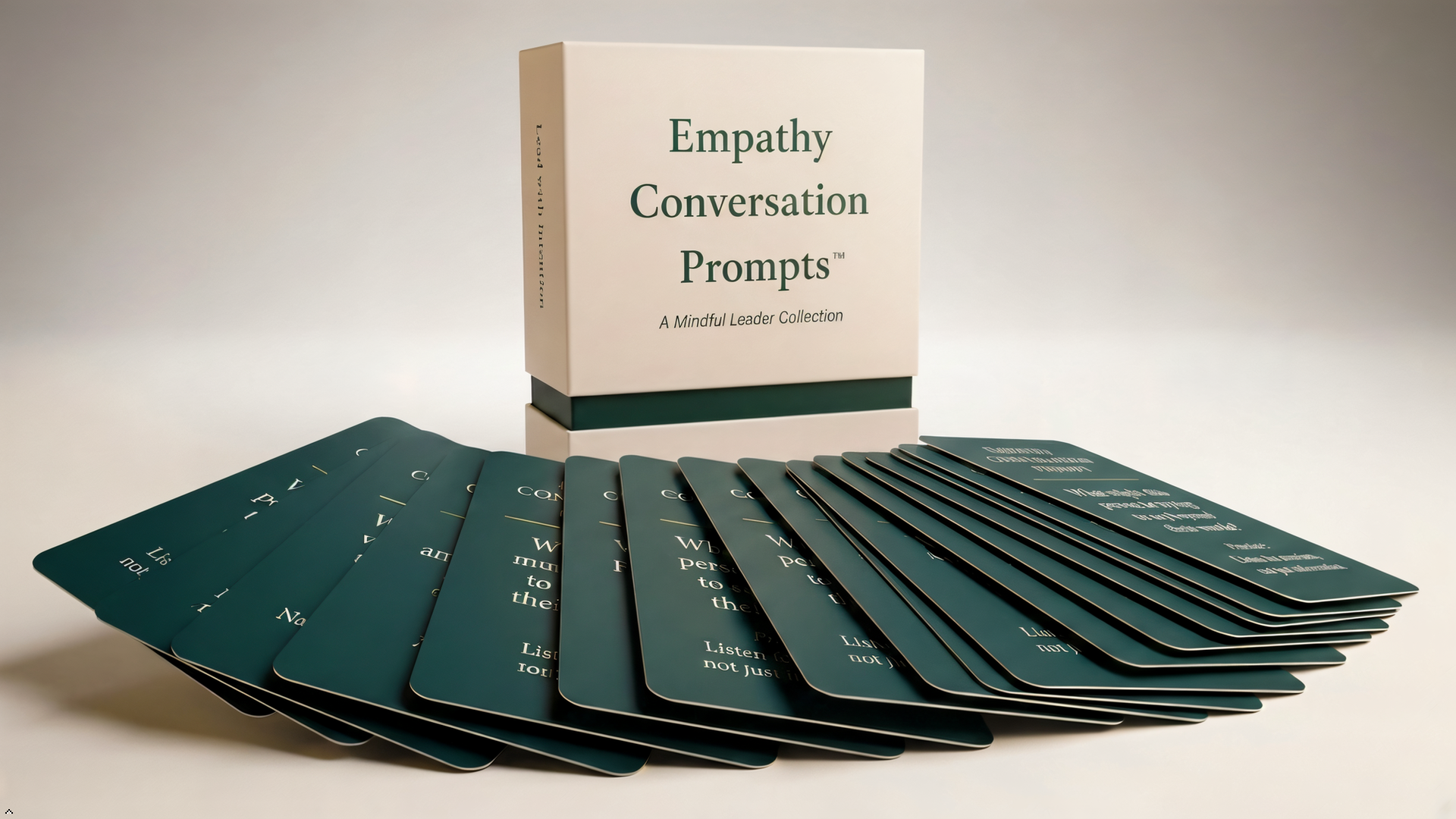
None of this requires elaborate systems. It often starts with something as simple as having the right prompts on hand to open a conversation that goes beyond a status update.
The Cost of Treating This as an Individual Problem
When organizations respond to quiet cracking with individual-level solutions, wellness stipends, mental health resources, flexible schedules, they address a symptom without touching the structural cause. Those resources have value, but they do not replace a manager who is trained to notice disengagement early and respond to it directly. Without that capability, the same pattern recurs regardless of what benefits are layered on top.
Building This In Rather Than Bolting It On
The organizations best positioned heading into the next retention cycle are building manager capability deliberately: identifying the specific behaviors that catch disengagement early, training for them directly, and reinforcing them through coaching and accountability at the leadership level. This is not a one-time workshop. It is a sustained capability build, treated with the same rigor as any other core leadership competency.
Quiet cracking is a solvable problem, but only if it is diagnosed correctly. Organizations that continue to treat it as an individual wellness issue will keep missing it until it shows up as a resignation. Organizations that treat it as what it actually is, a manager capability and organizational design question, have a real chance to catch it early — starting with the people most organizations assume are fine by default.