At a roundtable I led last month, a woman who runs a 40-person function said something that stayed with me. She has been mentored for nine years. She has never once been sponsored. The room went quiet, because most of the women there recognized the difference the moment she named it.
Mentoring Versus Sponsorship
Mentoring is advice. Sponsorship is risk. A mentor tells you how to navigate the room. A sponsor puts your name in the room when you are not there and spends their own credibility to do it. Those are fundamentally different investments, and organizations frequently confuse the two when they design development programs.
What the Data Shows
The research backs what we heard at that roundtable. Only 31 percent of entry-level women have a sponsor, compared with 45 percent of men. The first promotion to manager is where the pipeline narrows, and it rarely narrows because women lack skill. It narrows because no one with power stakes a claim on their potential.
The Pattern Behind Stalled Careers
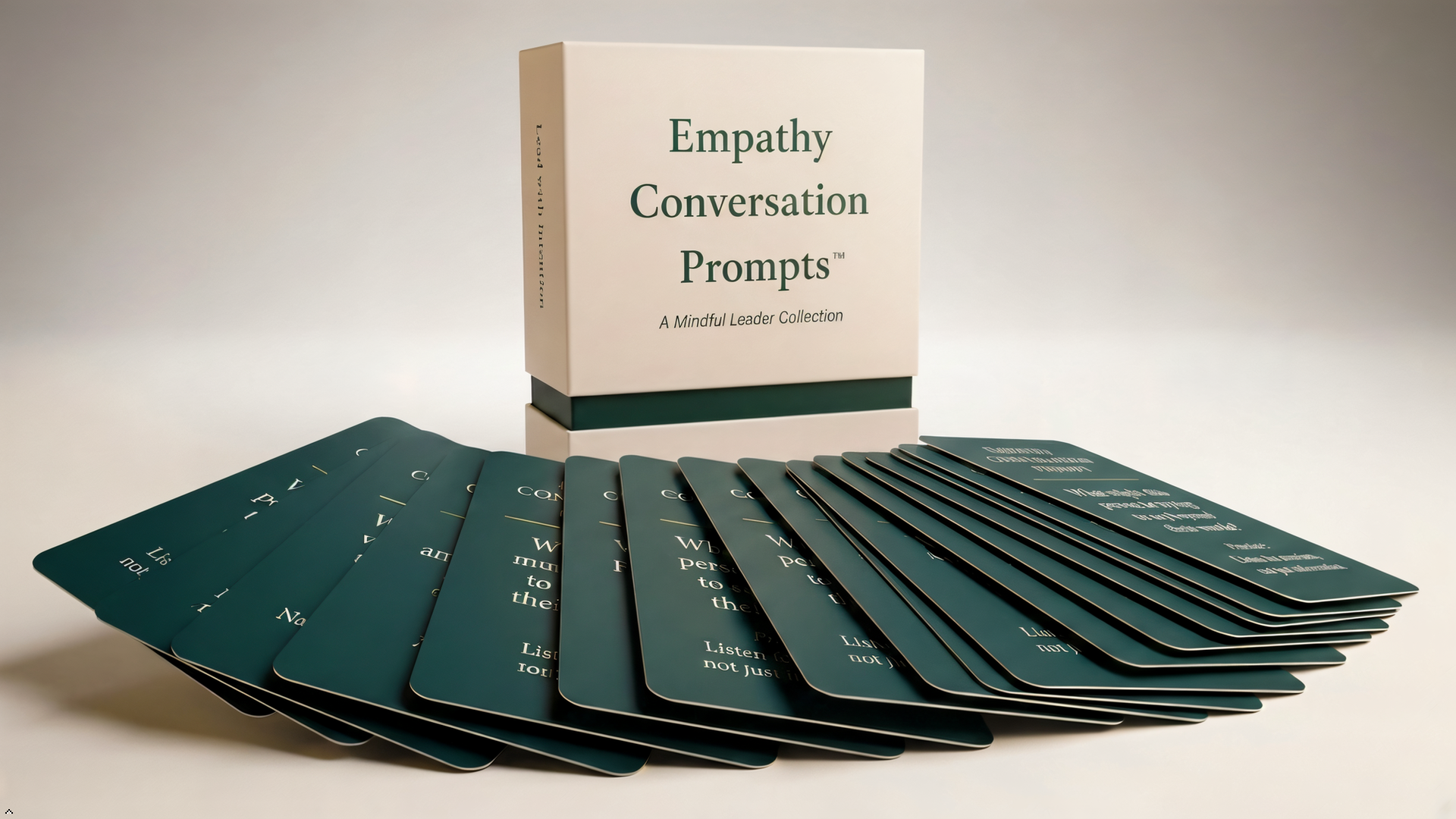
What stands out most is how many accomplished leaders had quietly accepted being mentored forever instead of being backed once. They had been told to lean in, to raise their hand, to be more visible. No one had told the people above them to act. The burden of closing the gap kept landing on the people with the least structural power to close it. Naming that gap out loud is its own skill, and it helps to have the right prompts on hand for starting a conversation most people avoid.
What Sponsorship Actually Requires
Sponsorship is not a program. It is a decision made by someone with authority to spend their credibility on another person’s behalf, before that person has fully proven themselves in the new role. That makes it uncomfortable, which is exactly why it is rare and why it matters disproportionately when it happens. I’ve written about why sponsorship is a capability mentorship can’t substitute for, and the pipeline math behind why the first promotion is still where so many women’s advancement stalls backs up exactly what that roundtable put into words.
The Question for Leaders With Power
If you hold a P&L, a budget, or a hiring decision, you are someone’s missing sponsor. The question is not whether she is ready. The question is whether you will say her name.