Team culture is usually discussed as a company-wide matter: values, town halls, annual events. The evidence points somewhere closer. Gallup research has long attributed the largest share of the variation in team engagement to the manager. Culture, in practice, is the weekly rhythm a manager runs.
For organizations investing in leadership development, that shifts the question. The priority is not which culture initiative to launch. It is which manager behaviors the organization needs to see, and whether the front line has been equipped to perform them consistently.
Why Company-Wide Initiatives Fall Short
Events and campaigns create attention. They do not change the experience of an ordinary Tuesday. When team-building exercises do not change the daily experience of work, the effect fades within weeks. Employees take their cues from the person who sets priorities, gives feedback and decides who is heard.
This is why two teams in the same organization, under the same values statement, can describe entirely different cultures.
Five Manager Behaviors That Deserve Funding Priority
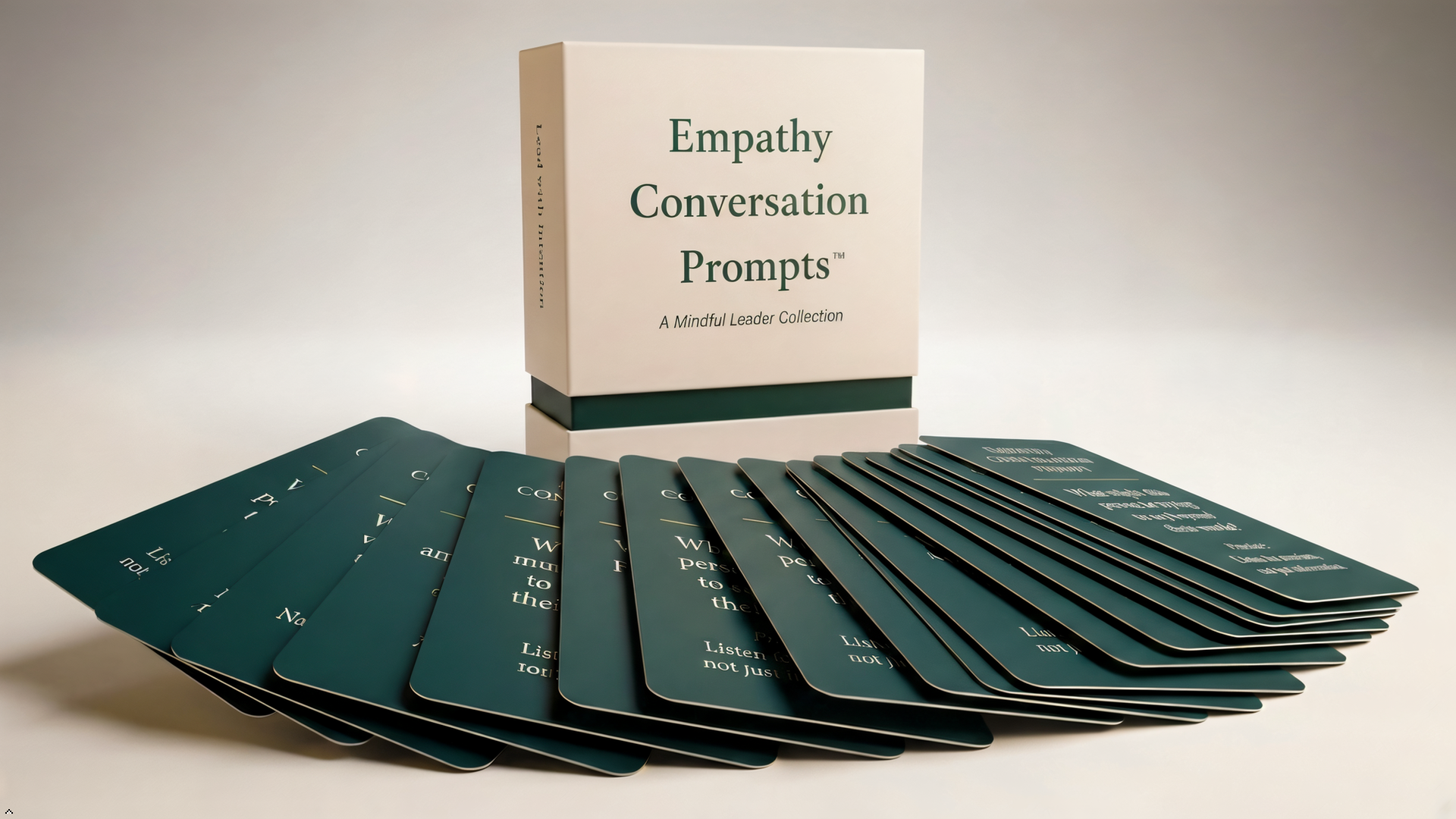
- A protected one-on-one. Consistency signals priority more clearly than any stated value. The meeting is the first place a team learns whether development is real. Companion resources, such as structured empathy conversation prompts, help managers move beyond status updates.
- Expectations defined before effort is requested. Clarity about outcomes, ownership and completion criteria is the most reliable driver of team performance and the most common gap.
- Silence treated as a signal. Quiet meetings often reflect uncertainty about psychological safety rather than agreement. Managers who respond constructively to the first candid answer shape whether the next one arrives.
- Feedback delivered early. Small, timely corrections prevent larger performance conversations and normalize learning as part of the work.
- Regular delegation of real decision authority. Authority granted on a predictable cadence builds capability and removes bottlenecks. It also signals trust, which is the foundation of retention.
What This Means for 2027 Planning
Budget cycles tend to reward what is easy to count: events held, courses completed, content produced. Manager behavior is harder to count and more valuable. Organizations that want culture to move should consider three practical steps.
- Define the behaviors. Specify the one-on-one cadence, feedback timing and delegation expectations the organization wants, and model them at senior levels.
- Reinforce on the job. Programs that redesign development around daily practice outperform those that rely on a single session, because behavior changes through repetition.
- Measure what teams experience. Short, regular pulse questions about clarity, safety and feedback give leaders a direct view of culture at the team level.
The Executive Question
Leaders can test their own approach with a single question: which of these five behaviors is measured in the organization today? Where the answer is none, culture is being left to chance, and it will vary by manager.
Funding the front line before the next company-wide event is not a rejection of culture work. It is a recognition of where culture is actually produced.