
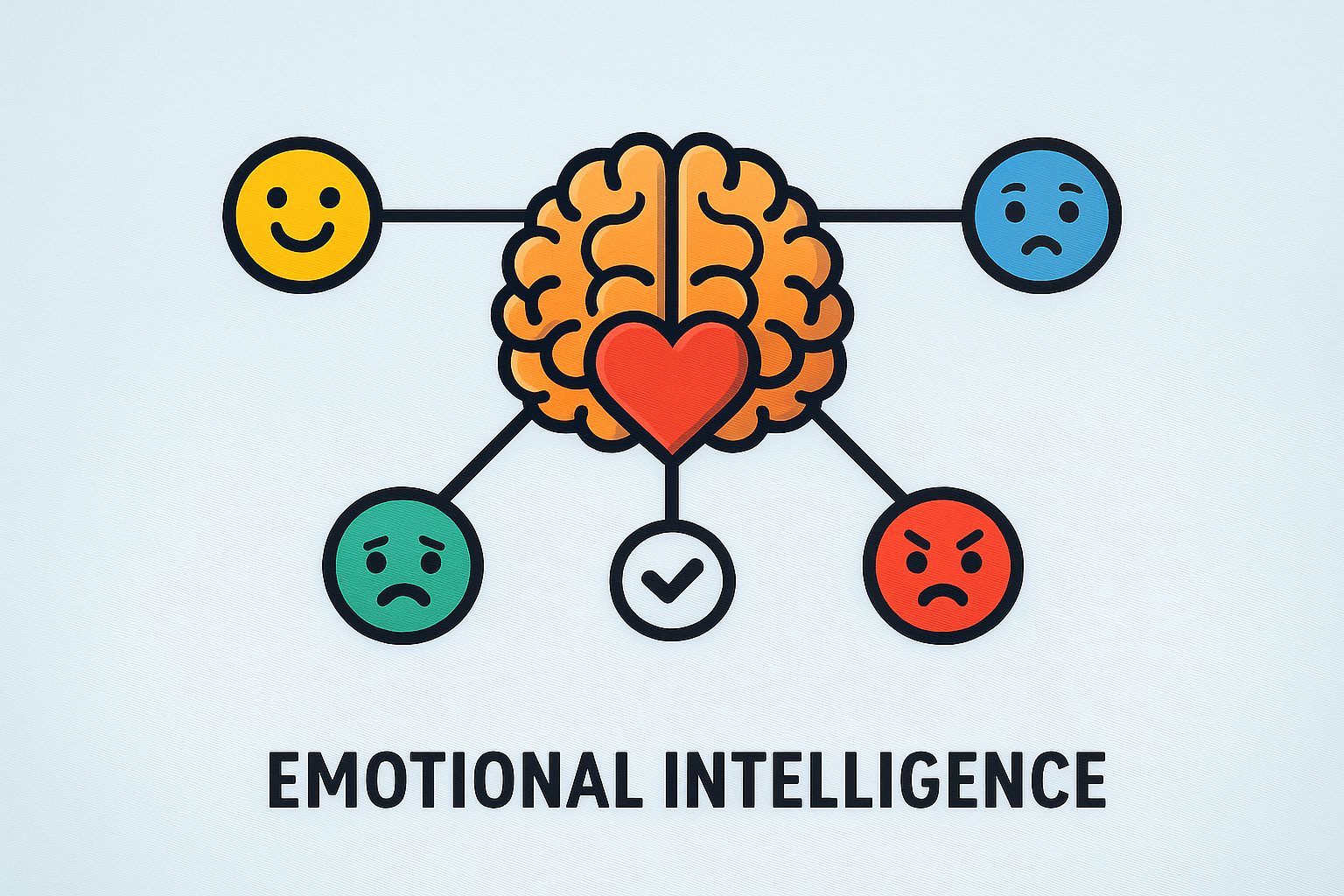
In leadership, emotional intelligence is the quiet powerhouse that separates the good from the unforgettable. Technical expertise will get you in the room. Strategic thinking will help you stay there. But emotional intelligence is the skill that turns leaders into people others actually want to follow. Think of it as the seasoning that transforms a simple meal into a signature dish. Logic is useful. Emotional intelligence is unforgettable.
So the question becomes: how do you leverage it to sharpen your leadership edge?
Why Emotional Intelligence Matters
Leaders who prioritize emotional intelligence consistently outperform those who don’t. Research has shown that EI boosts team cohesion, strengthens communication, and supports healthier work cultures. Emotionally intelligent leaders navigate conflict with more ease, motivate their teams with more authenticity, and typically achieve better business outcomes.
And let’s be honest. Every workplace has the leader people run toward and the leader people dodge at the coffee machine. Emotional intelligence is the difference.
The Core Elements of Emotional Intelligence
Self-Awareness
Self-awareness is the ground floor. It means understanding your emotions, strengths, blind spots, and how your behavior affects others. It functions like an internal GPS that keeps you oriented during challenging leadership moments.
Self-Regulation
Once you understand your emotions, the next step is managing them skillfully. This is the difference between responding with intention or reacting with regret. Think of it as choosing to pause and breathe instead of letting frustration take the wheel.
Empathy
Empathy lets you recognize and understand the feelings of others. It creates connection and trust, allows you to lead with more humanity, and strengthens your team’s willingness to follow your direction. It is the mental practice of trying on someone else’s shoes even when they don’t match your outfit.
Social Skills
Strong social skills help leaders communicate effectively, navigate conflict, and build real rapport. These skills function as the glue that holds teams together and keeps collaboration flowing.
Motivation
Emotionally intelligent leaders are driven by purpose, not pressure. They inspire their teams by modeling enthusiasm, clarity, and commitment. It is the energy of a coach who knows the plays and knows how to get the team excited about running them.
Practical Ways to Strengthen Your Emotional Intelligence
Reflect Often
Take moments throughout the day to pause and check in with yourself. Consider keeping a short daily journal that tracks your emotional triggers, patterns, and insights. This helps you understand the impact of your responses.
Ask for Feedback
Invite constructive feedback from peers and team members. They often see the emotional ripples you may not notice. Accept the feedback with openness and curiosity.
Develop Active Listening
Listen to understand, not to respond. Show genuine interest in people’s perspectives. Nodding, summarizing, and asking thoughtful questions demonstrate that you are fully present.
Practice Daily Empathy
Before responding to challenges or concerns, take a moment to consider what someone else may be feeling or navigating. This small mental shift can completely change the tone of the conversation.
Manage Your Stress Well
Stress can cloud judgment faster than any distraction. Build habits that keep you centered such as mindfulness, movement, or stepping away briefly to reset.
Set the Emotional Standard
Your energy sets the tone for your team. When you model emotional intelligence, it gives everyone permission to do the same. Positivity spreads quickly when it starts at the top.
Actionable Steps You Can Apply Right Away
• Create a Feelings Check-In for team meetings to build awareness and connection.
• Hold regular one-on-one sessions to practice listening and empathy.
• Use role-playing or scenario practice to strengthen self-regulation and understanding.
• Attend workshops or training that expand your emotional intelligence toolkit.
• Start a team book club focused on EI and leadership for shared learning.
Emotional intelligence is more than a leadership skill. It is a leadership advantage. By strengthening your self-awareness, empathy, and interpersonal skills, you build teams that trust you, respond to your guidance, and feel motivated to bring their best.
And when you lead with heart, you inspire others to rise with you. That is the mark of a leader who makes a lasting impact.
Thank you for reading.
Stay ahead in your leadership journey with insights that elevate your effectiveness and amplify your influence. Subscribe to Leaders Edge and join a community of professionals who are committed to leading with clarity, confidence, and purpose
Follow us for updates:
*Leaders Edge is the newsletter for Leading Beyond Limits


